

Sensory-Play activities for Toddlers at Home

As a parent, it can be difficult (and sometimes a bit pricey) to balance entertaining a toddler while supporting their daily essentials. Fortunately, early-aged children don’t necessarily need expensive toys to foster their growth. Sensory play is a fairly common and effective way to encourage early learning right at home, and you can set up engaging activities using many items that are likely already in your pantry!

Importance of Sensory Play:

When a toddler engages with an activity that stimulates multiple senses – sight, smell, sound, touch, and taste – such as squishing some cold clay or listening to the sound of dry beans hitting a metal can, the sensory exploration builds new nerve connections in their brain’s pathways. This wiring and re-wiring ultimately lays down the foundation for more complicated/nuanced learning tasks later in life.

Typically between the ages of 2-3, toddlers are rapidly developing in more ways than one, and this is how sensory play can help with each type of growth:

    • Learning cause and effect: Through sensory play, children can begin to understand the impact of their actions on the world around them. For example, they might learn that when they bang a drum, it makes a loud noise!
    • Developing motor skills: Using their bodies for sensory play can help children to feel more confident moving around.
    • Developing communication skills: Sensory play can also support children with learning language skills, and provides them with an opportunity to socialise and build relationships. 
    • Finding out likes and dislikes: By trying out different sensory experiences, a child can learn more about what they enjoy (and what they don’t). This is really important in developing a sense of self. 
    • Calming down: Sensory experiences can be soothing. Some children find it helpful to try sensory activities when they’re overwhelmed, angry or upset. 

How to do sensory play at home

Sensory play is different for everyone. There are no hard and fast rules on how to do it.  It could be something you do whenever the opportunity arises, like playing in crunchy leaves or inspecting a shiny spider’s web in the garden. Or it could be an activity you’ve planned in advance, like playing with homemade playdough.

These are some general dos and don’ts for sensory play at home. 

  • Do get creative. There is no right or wrong way to do sensory play, so use your imagination!
  • Do be patient and let your child explore in their own time. Everyone plays at a different pace.
  • Do supervise your child, and make sure there’s nothing they can choke on and no other hazards. 
  • Do give choices. This helps your child build confidence, and figure out what they like and dislike – which you can then learn, too!
  • Don’t instruct your child on how to do things. Let them find their own way to explore and enjoy sensory play.

Sensory play ideas

  • Knowing how essential and impactful sensory activities are for toddler development, we would like to share a wide range of set-up ideas that you can recreate at home.

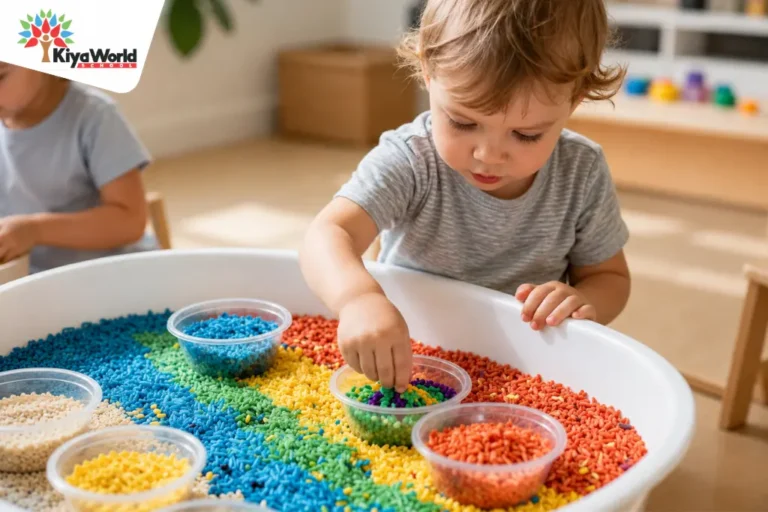
1. Rainbow Rice Bin

Materials: Rice, food colours, bowls, spoons, cups

Learning:

    • Fine motor skills
    • Colour recognition
    • Hand-eye coordination
    • Vocabulary (full, empty, more, less)
rainbow rice bin

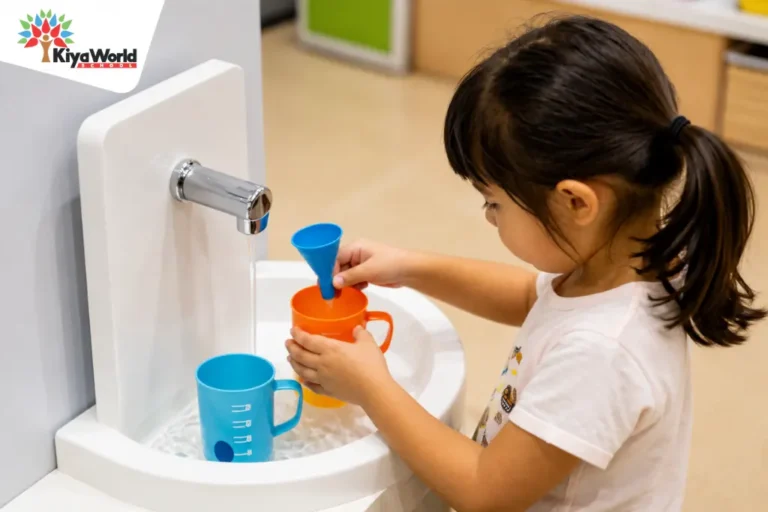
2. Water Transfer Station

Materials: Two tubs, cups, funnels, spoons, sponges

Learning:

  • Concentration
  • Hand strength
  • Early science (floating, pouring)
  • Practical life skills

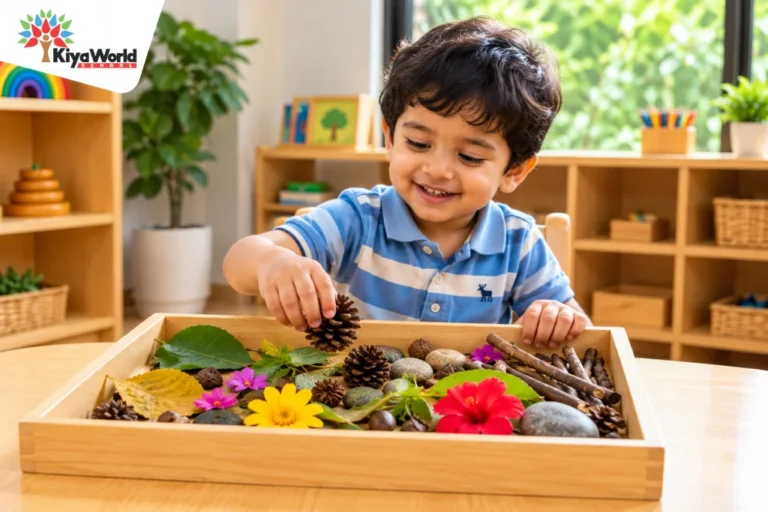
3. Nature Treasure Tray

Materials: Leaves, flowers, sticks, stones, seeds

Learning:

  • Texture exploration
  • Nature appreciation
  • Sorting
  • Descriptive language
Nature Treasure Tray

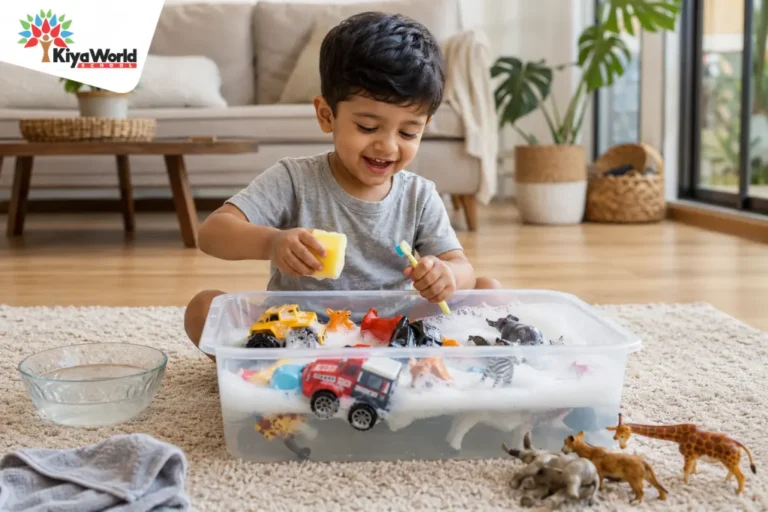
4. Foam Wash Station

Materials: Soap foam, toy animals/cars, sponge, toothbrush

Learning:

  • Pretend play
  • Fine motor skills
  • Responsibility
  • Sensory exploration
Foam Wash Station

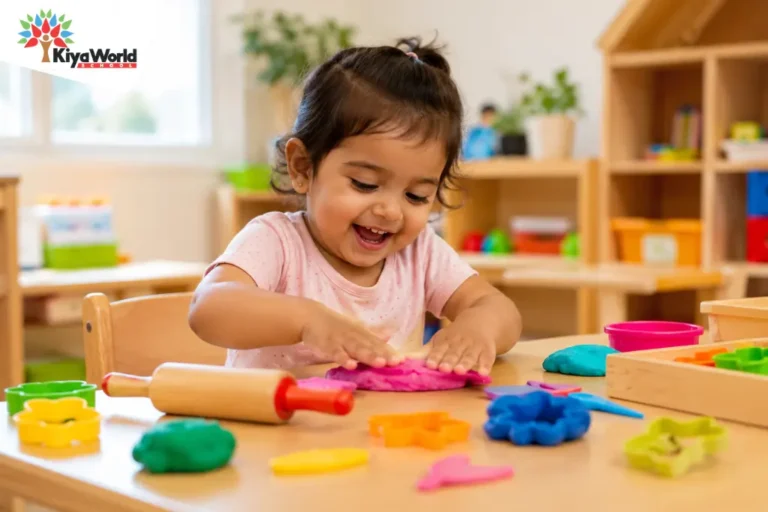
5. Play Dough Exploration

Materials: Play dough, rolling pin, cookie cutters

Learning:

  • Finger strength
  • Creativity
  • Shape recognition
  • Imagination

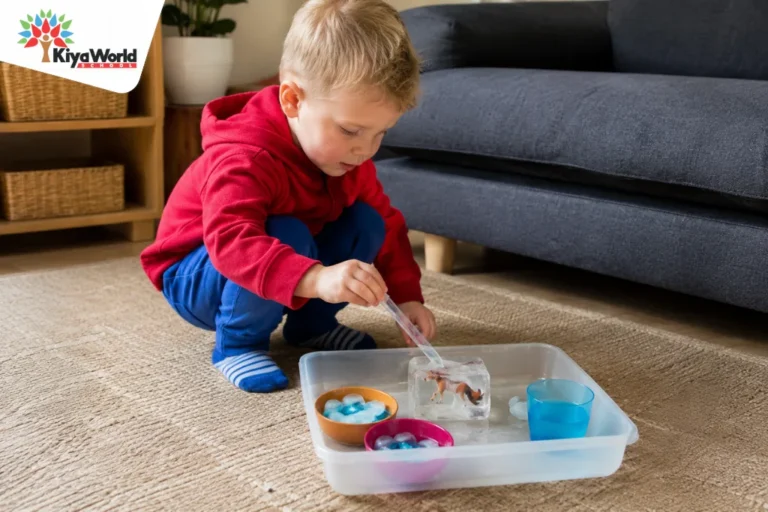
6. Ice Rescue

Materials: Small toys frozen in ice, warm water, droppers

Learning:

  • Cause and effect
  • Patience
  • Scientific observation
ICE Rescue

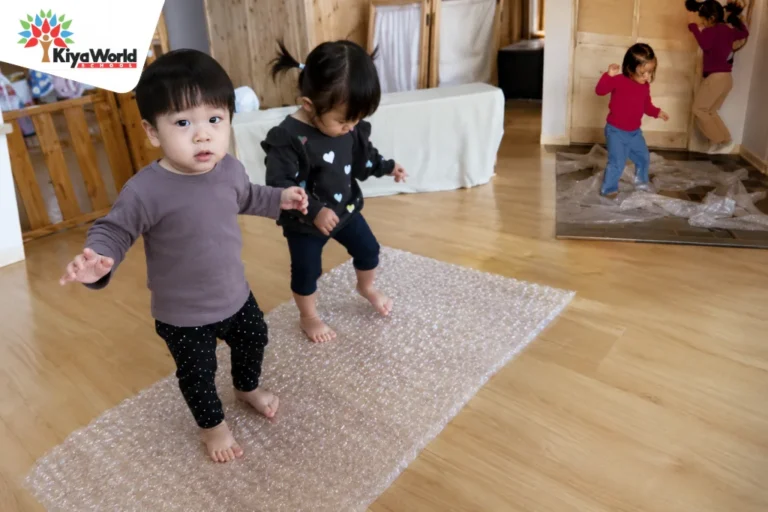
7. Bubble Wrap Walk

Materials: Bubble wrap taped to the floor

Learning:

  • Gross motor skills
  • Balance
  • Listening to sounds
  • Body awareness
Bubble Wrap Activity

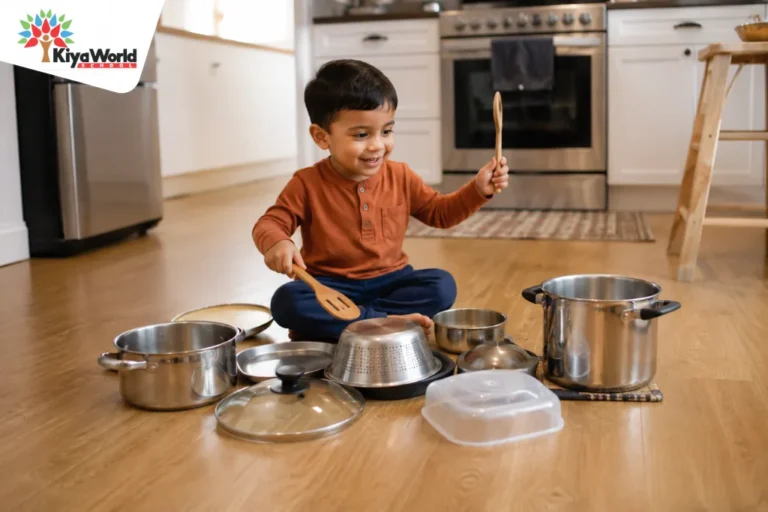
8. Kitchen Sound Hunt

Materials: Pots, spoons, lids, containers

Learning:

  • Rhythm
  • Sound discrimination
  • Creativity
Kitchen Sound Activity

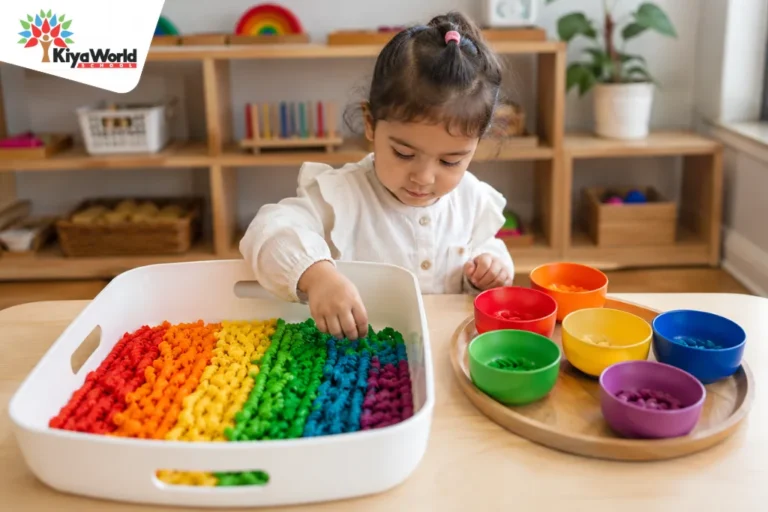
9. Rainbow Pasta Sorting

Materials: Dyed pasta, bowls, tongs

Learning:

  • Sorting
  • Counting
  • Fine motor development
Rainbow Pasta Sorting Activity

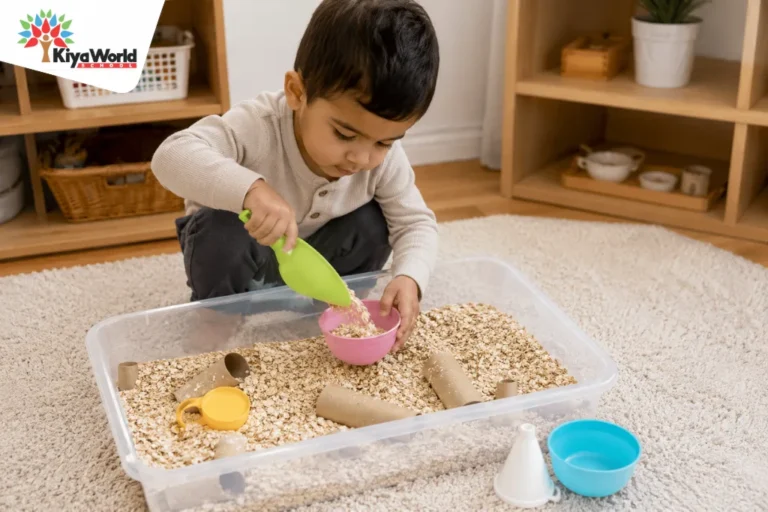
10. Oats & Scoops Bin

Materials: Oats, measuring cups, spoons, toy animals

Learning:

  • Measuring concepts
  • Pretend play
  • Vocabulary development
Oats Scoop Bin

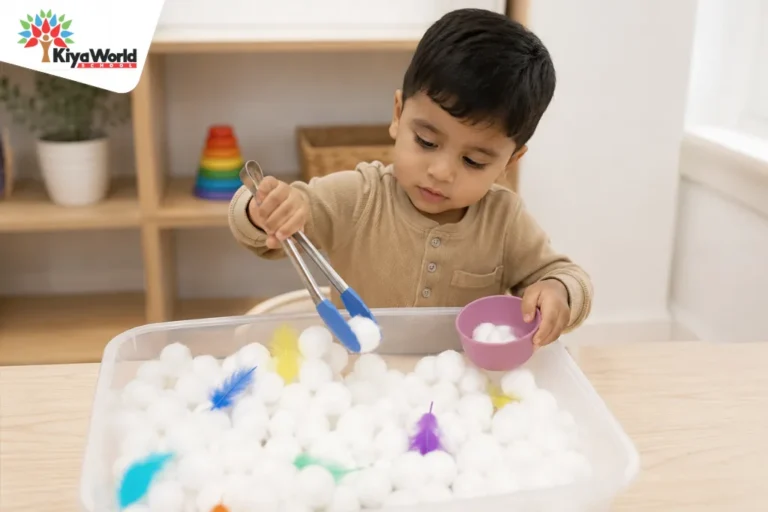
11. Cotton Cloud Sensory Box

Materials: Cotton balls, feathers, small cups

Learning:

  • Soft texture exploration
  • Sorting
  • Fine motor skills
Cotton Sensory Play

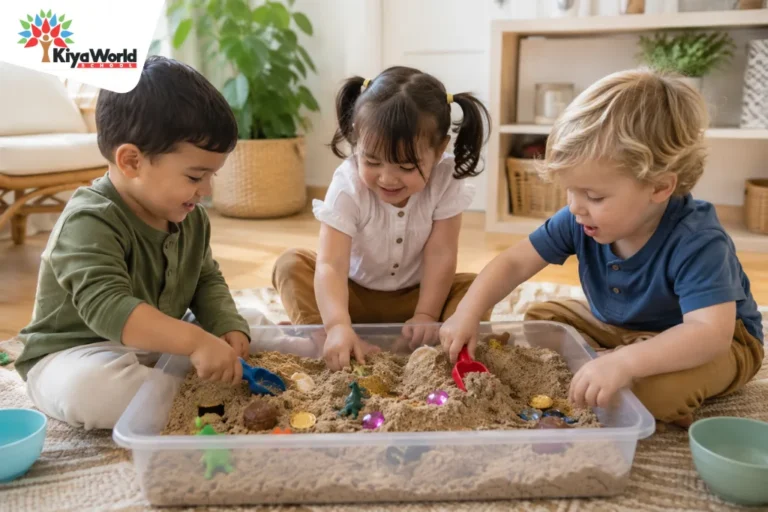
12. Treasure Dig

Materials: Sand (or kinetic sand), small toys, scoops

Learning:

  • Problem-solving
  • Sensory exploration
  • Imaginative play

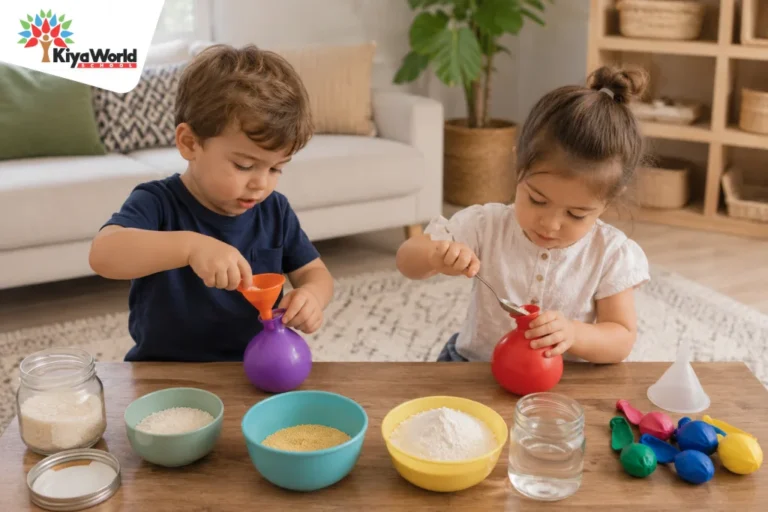
13. Textured Balloons

Materials : Balloons, A funnel, A spoon, Fillers for the balloons, like rice, flour, water, couscous and rice

The Takeaway:

None of these activities require a trip to a specialty toy store or a big budget – with the simple combination of a few household items and a little bit of time, your toddler gets real development in return. Pick one or two activities to try out this week, observe what your child gravitates towards, and let their curiosity lead the way from there.

Want to see how guided sensory learning fits into a full early-years programme? Visit Kiya World School, Seethammadara, explore our Kids Summer Camp in Seethammadhara, or begin your child’s admissions journey today.